
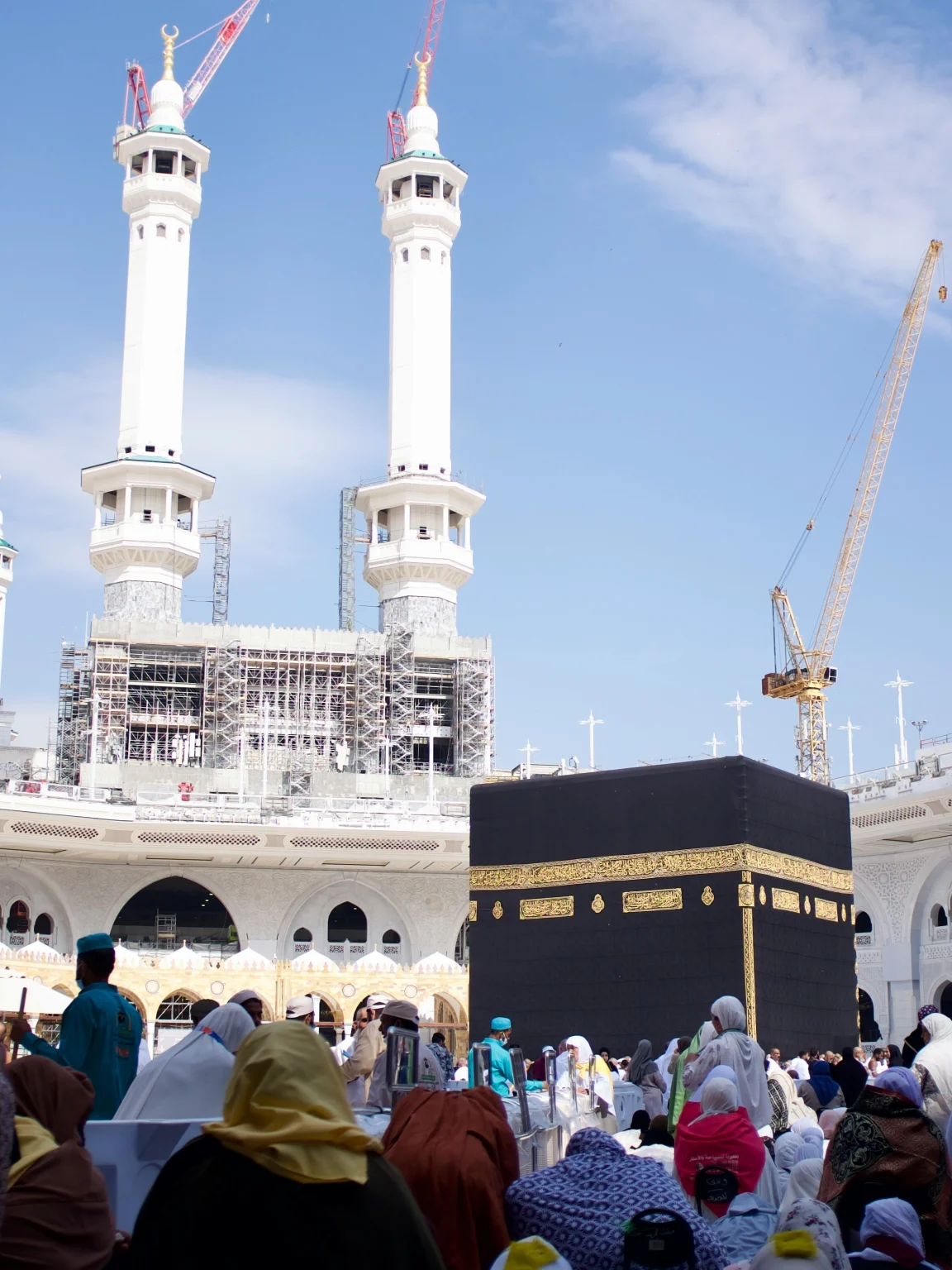
The Silence of Tawaf: Finding Allah in the Circles Around the Kaaba
A reflection on surrender, humility and the presence of peace found while circling the sacred centre of faith.
Some experiences cannot be captured by photographs, nor fully expressed in words. They belong to the realm of the heart, where silence speaks louder than language.
Among such experiences in a believer’s life is Tawaf — the act of circling the Kaaba during Umrah or Hajj.
At first glance, Tawaf might appear as a simple ritual: walking in circles around a cube-shaped structure of stone. But for the pilgrim, each step becomes a prayer, each turn a surrender, each circle a journey deeper into the heart’s longing for Allah.
This is the story of how Tawaf teaches silence — not the absence of sound, but the presence of peace.
When I first entered the Masjid al-Haram and saw the waves of people flowing around the Kaaba, I felt small. The sound of du’as filled the air: whispers in Arabic, Urdu, Malay, English, Turkish, and languages I couldn’t recognize. And yet, beneath the noise, there was something else — a rhythm, a pulse, a silence that moved deeper than sound.
As I joined the crowd, my heart raced. My lips repeated the Talbiyah, but my mind was busy. What du’a should I make? Should I keep my right shoulder uncovered? Am I walking too slow? Questions filled me. But then I took the first step into Tawaf, and slowly, the world began to fade.
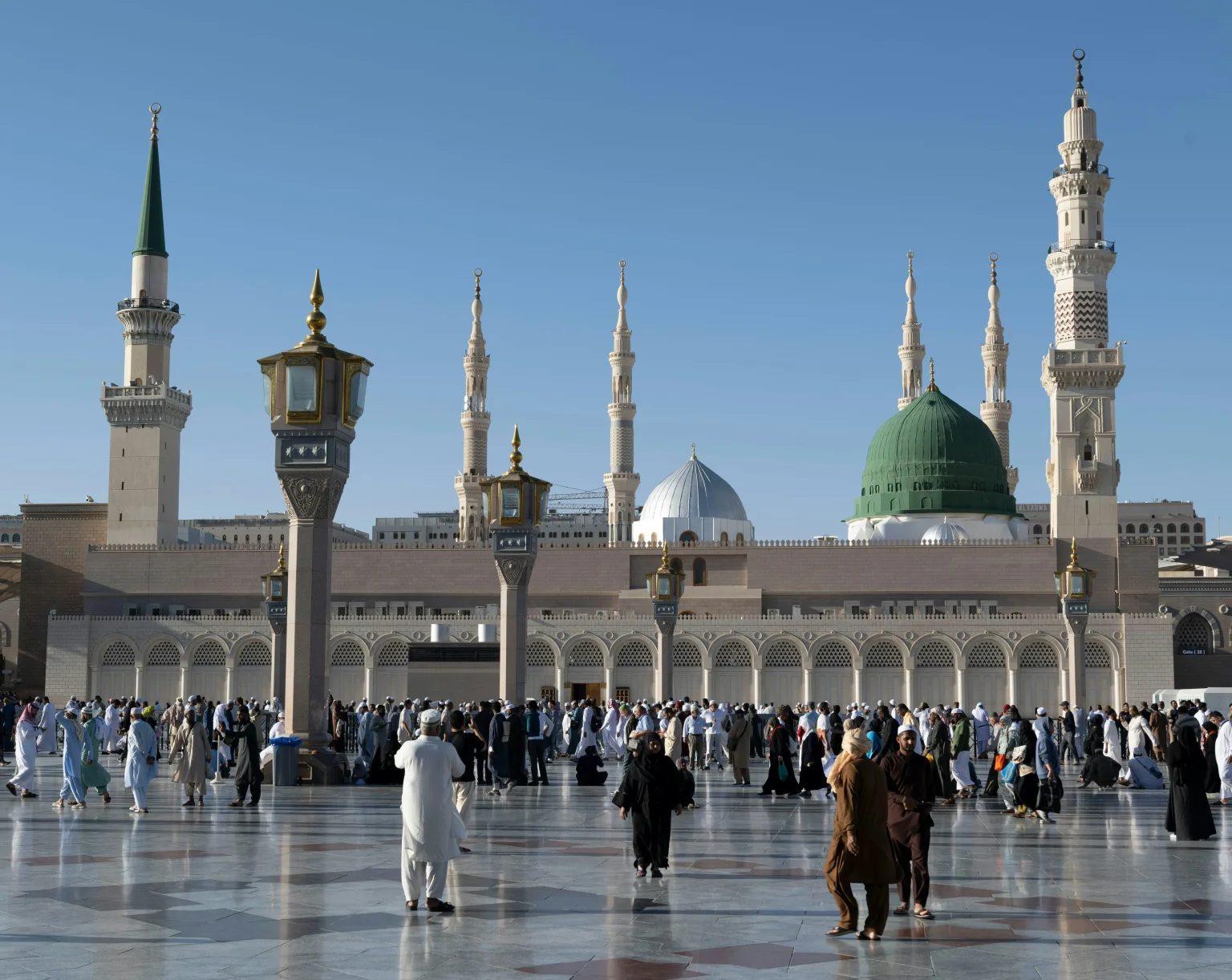
Circling the Center of Faith
In Tawaf, the Kaaba becomes the center of every movement. Seven times you circle, each time passing the Black Stone, each time reminding yourself that Allah is the true center of your existence.
It struck me: just as the planets orbit the sun, just as electrons circle the nucleus, so too does the human heart orbit around the remembrance of Allah. The universe itself seemed to echo this motion — a divine choreography woven into creation.
And in that moment, I felt my own life was being reordered. All the scattered pieces of my existence — ambitions, worries, regrets — were being pulled into orbit around Allah, the One who holds everything together.
Tawaf teaches silence — not the absence of sound, but the presence of peace.
The Sound of Silence
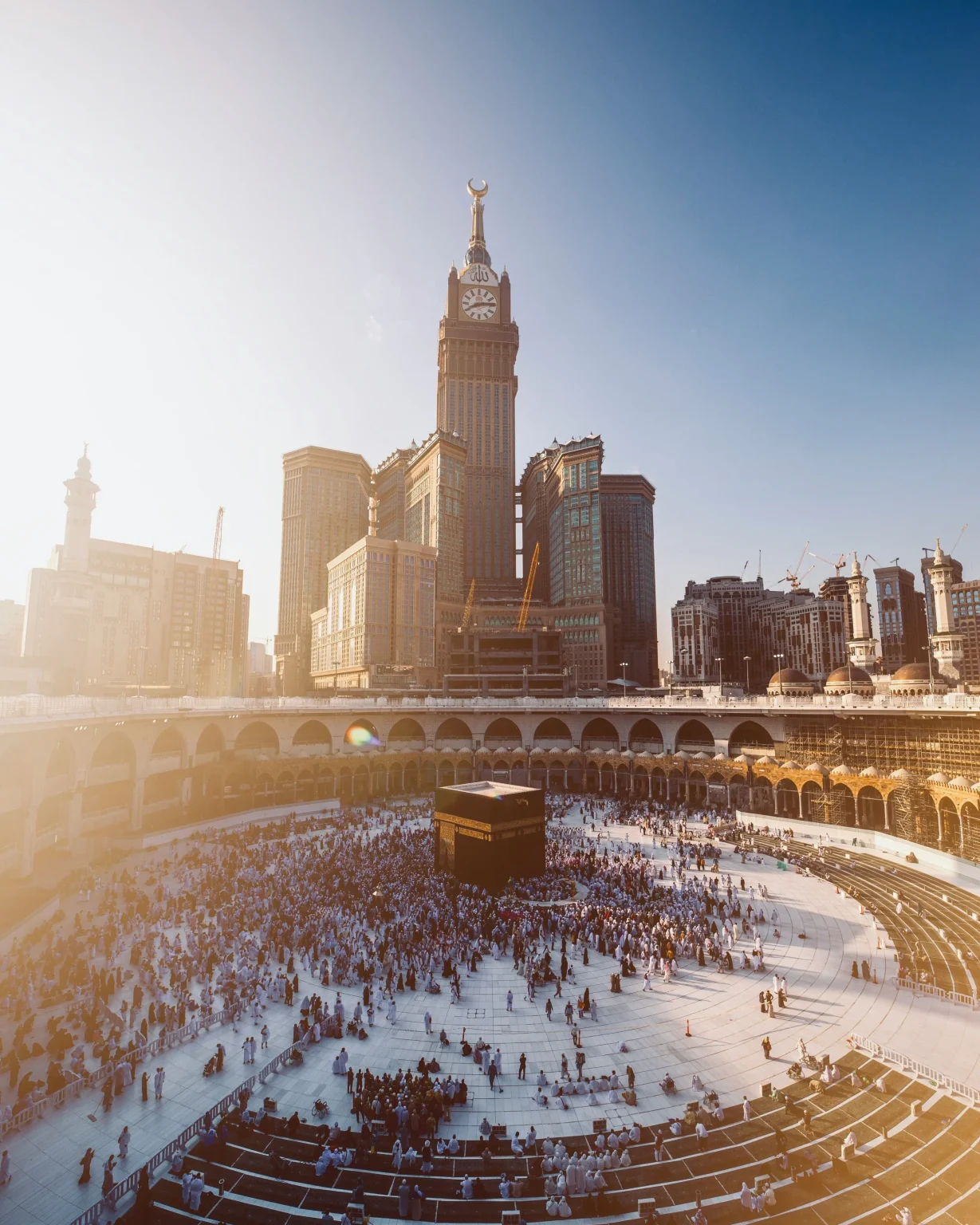
Though the courtyard of the Haram is never quiet, Tawaf has its own silence. It is the silence of surrender, when the tongue no longer struggles to find words because the heart is already speaking to its Lord.
Around me, people were crying, some quietly, others openly. Some walked with determination, others with trembling steps. But in each face, I saw the same silence — a stillness that comes from being absorbed in something greater than oneself.
I realized that Tawaf is not just walking; it is being carried. The crowd moves as one body, yet every soul is in its own intimate conversation with Allah.
Each round of Tawaf felt different:
-
First circle: Excitement and awe. The Kaaba loomed ahead, majestic and timeless. My eyes couldn’t stop looking at it.
-
Second circle: My mind began to wander. I thought of family, of the people back home who asked me to make du’a for them.
-
Third circle: The heart softened. Tears came, unplanned, uninvited. I asked for forgiveness — for my mistakes, for my wasted years.
-
Fourth circle: Gratitude arose. I thought of the blessings I had taken for granted: health, safety, the chance to be here.
-
Fifth circle: Fear appeared. What if this is my last chance? What if I never return?
-
Sixth circle: Hope bloomed. Allah’s mercy felt close, nearer than my jugular vein.
-
Seventh circle: Silence. Nothing remained but Allah. No words, no thoughts — only presence.
By the end, it felt less like I had circled the Kaaba, and more like the Kaaba had circled me, cleansing the heart with each turn.
The Ego Dissolves
Tawaf teaches humility. No matter who you are in the world — wealthy or poor, educated or unlettered, famous or unknown — in Tawaf, you are simply a servant among servants. The Kaaba does not bend for kings nor does it ignore the poor. It stands unmoved, ancient and eternal, reminding each pilgrim that only Allah is great.
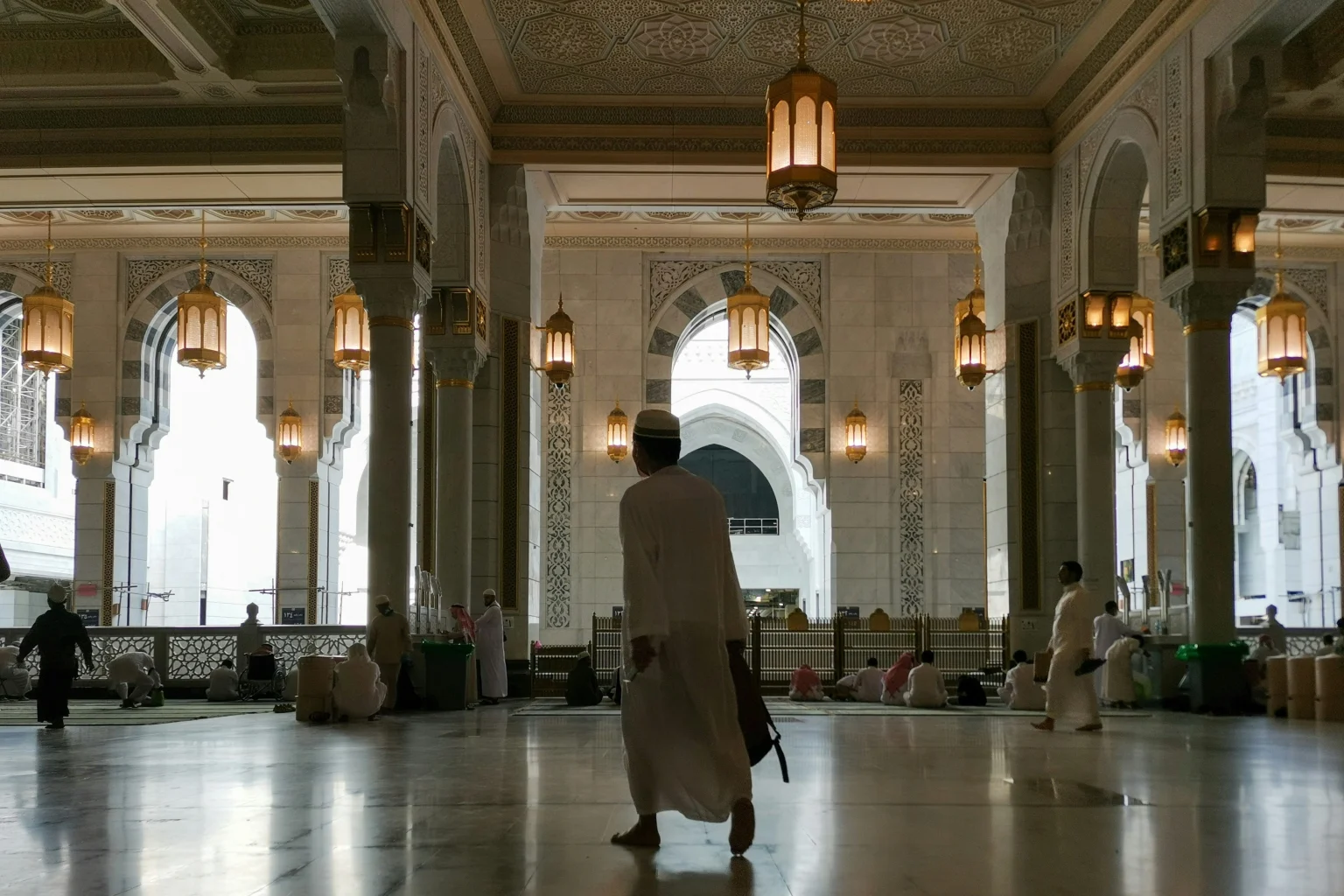
As I circled, I felt my ego dissolve. The masks we wear in the world — job titles, social status, possessions — all seemed absurd here. In the crowd, no one cared who I was. The only question that mattered was: How close is my heart to Allah?
The Kaaba as a Mirror
The Kaaba is often described as the House of Allah, but in Tawaf, I discovered it is also a mirror. Each time I passed by, it reflected something from within me — joy, grief, longing, or fear. It showed me not who I appeared to be, but who I truly was before my Creator.
And like a mirror, it did not lie. It forced me to face my flaws but also reminded me of my potential. It whispered, You are weak, but Allah is strong. You are sinful, but Allah is forgiving. You are small, but Allah is infinite.
The Du’a of a Heart Laid Bare
As the final round ended, I found myself standing still, unable to move away. My hands trembled, my lips stuttered. I wanted to ask Allah for everything — forgiveness, guidance, peace. But in that silence, I realized that Allah already knew. He had known before I asked, before I arrived, even before I was born.
Sometimes the most powerful du’a is not spoken aloud. It is the du’a of tears, the du’a of silence, the du’a of a heart laid bare. Tawaf taught me that Allah hears even the prayers we cannot put into words.
Experience Umrah with trusted guidance and thoughtful support.
Explore Shahidah Travel’s carefully arranged Umrah journeys or speak with our team for personal assistance.