
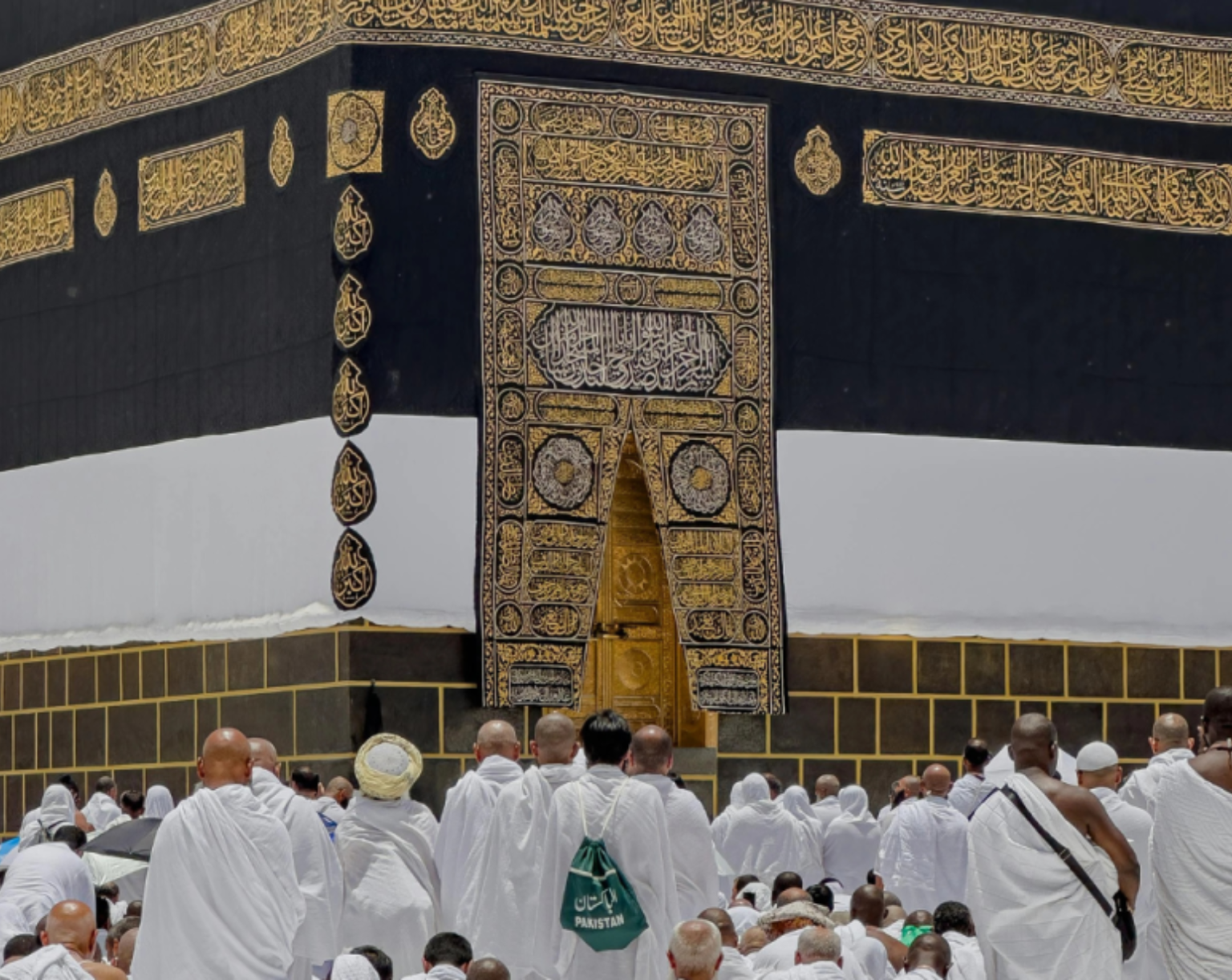
The Ultimate Hajj Guide: Meaning, Rituals, and Preparation for the Journey of a Lifetime
A comprehensive guide to the meaning, preparation, history and essential rituals of the sacred pilgrimage.
Hajj is more than just a religious duty; it is one of the most profound spiritual journeys a Muslim can undertake.
Every year, millions of Muslims from across the globe gather in the holy city of Makkah in Saudi Arabia to perform this sacred pilgrimage. The Hajj represents devotion, unity, humility, and sacrifice, all of which are central to Islamic teachings.
As the fifth pillar of Islam, Hajj is obligatory upon every Muslim who is physically able, financially capable, and of sound mind, at least once in their lifetime. It is an act of worship that requires preparation, patience, and complete submission to Allah.
Unlike other forms of worship that are done individually, Hajj is unique in that it brings together millions of believers in one place, at one time, performing the same rituals. This symbolizes not only submission to Allah but also the unity of the Muslim Ummah.
In this comprehensive guide, we will explore the history, significance, step-by-step rituals, preparations, and spiritual benefits of Hajj. If you are planning to perform Hajj or simply want to deepen your understanding, this article will provide the clarity and depth you need.
The History and Significance of Hajj
Origins of Hajj in the Time of Prophet Ibrahim (AS)
The history of Hajj dates back thousands of years to the time of Prophet Ibrahim (peace be upon him). The Kaaba, Islam’s holiest site, was originally built by Prophet Ibrahim and his son Prophet Ismail under Allah’s command.
The rituals of Hajj commemorate the struggles, sacrifices, and devotion of Ibrahim and his family.
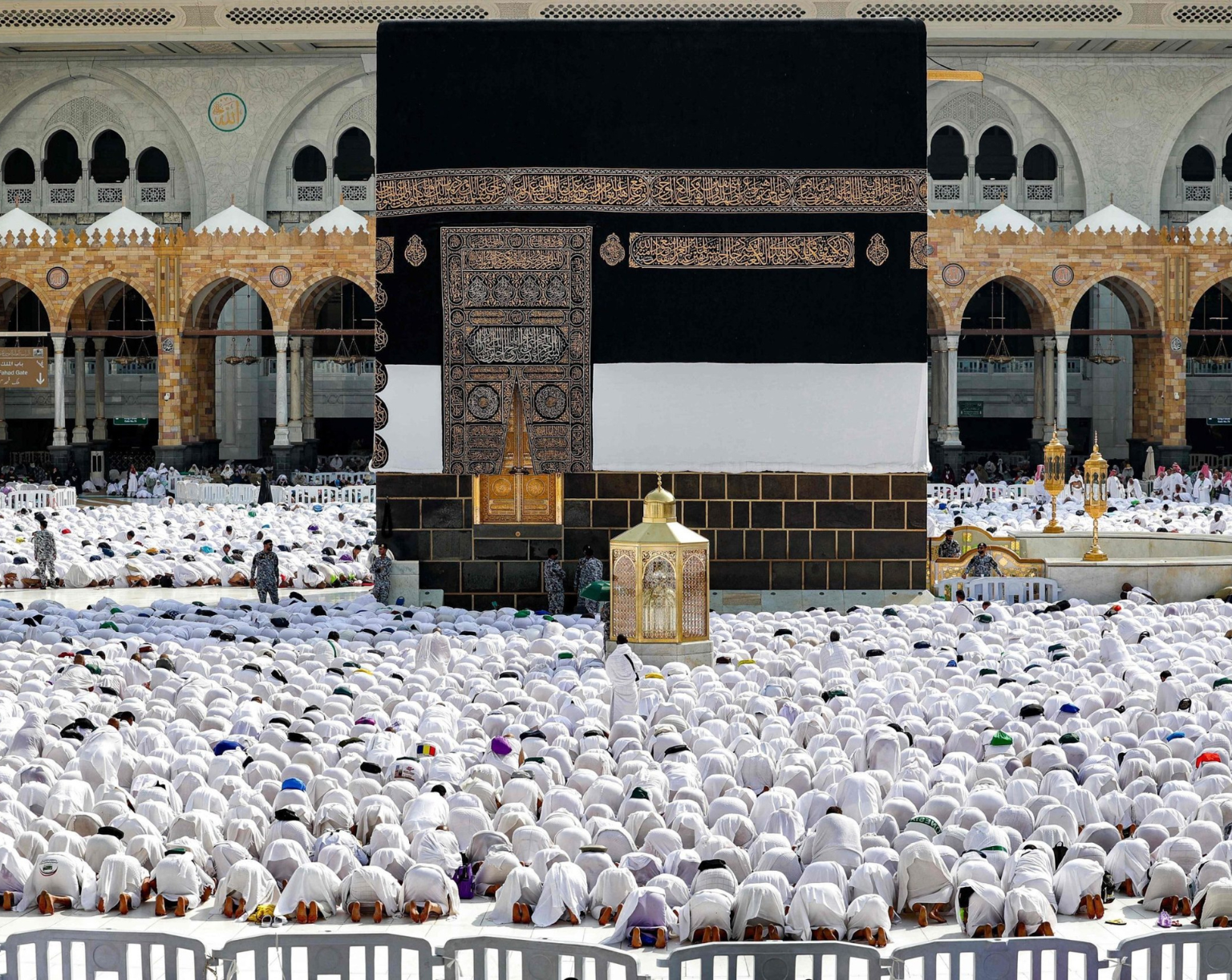
When Allah commanded Ibrahim to leave his wife Hajar and infant son Ismail in the barren desert of Makkah, it seemed impossible for them to survive.
Yet, Hajar’s trust in Allah led her to search desperately for water, running between the hills of Safa and Marwah seven times. Allah answered her prayers by making the Zamzam well gush forth.
Today, every pilgrim retraces her footsteps during the ritual of Sa’i.
Later, Allah tested Ibrahim’s faith by commanding him to sacrifice his son Ismail. Ibrahim obeyed, but Allah replaced Ismail with a ram, rewarding Ibrahim’s devotion. This act is commemorated through the Qurbani performed by pilgrims.
Origins of Hajj in the Time of Prophet Ibrahim (AS)
By the time of Prophet Muhammad ﷺ, the Kaaba had been overtaken by idol worshippers. After the Prophet conquered Makkah, he purified the Kaaba, restoring it as the center of monotheism.
In his final year, he performed Hajjat al-Wada, the Farewell Pilgrimage, during which he gave his famous Farewell Sermon that emphasized equality, justice, and brotherhood.
Spiritual Importance of Hajj
Whoever performs Hajj and does not commit any obscenity or wrongdoing, he will come out as the day he was born—pure and free from sins.
Forgiveness of Sins
Hajj offers the believer an opportunity for purification, repentance and spiritual renewal.
Unity of the Ummah
Pilgrims wear simple garments, removing visible distinctions of wealth, nationality and status.
Renewal of Faith
Hajj symbolizes complete submission and allows Muslims to return spiritually renewed.
Preparing for Hajj
Preparation is a crucial part of the Hajj experience. Pilgrims must prepare both spiritually and practically.
01 Spiritual Preparation
- Strengthen your relationship with Allah: Increase daily prayers, Qur’an recitation, dhikr and voluntary fasts.
- Learn the rituals: Study the steps of Hajj so you can perform them with confidence.
- Seek forgiveness: Clear debts, reconcile with others and ask Allah for forgiveness.
- Make sincere intention: Hajj must be performed solely for Allah’s pleasure.
02 Practical Preparation
- Documents: Ensure your passport, visa and travel permits are valid.
- Health and vaccinations: Complete all required vaccinations.
- Physical fitness: Begin walking daily to build stamina for long distances and hot conditions.
Suggested Packing Checklist
- Two sets of Ihram
- Comfortable sandals
- Unscented toiletries
- Small Qur’an
- Prayer mat
- Personal medication
- Ihram belt
- Money and identification
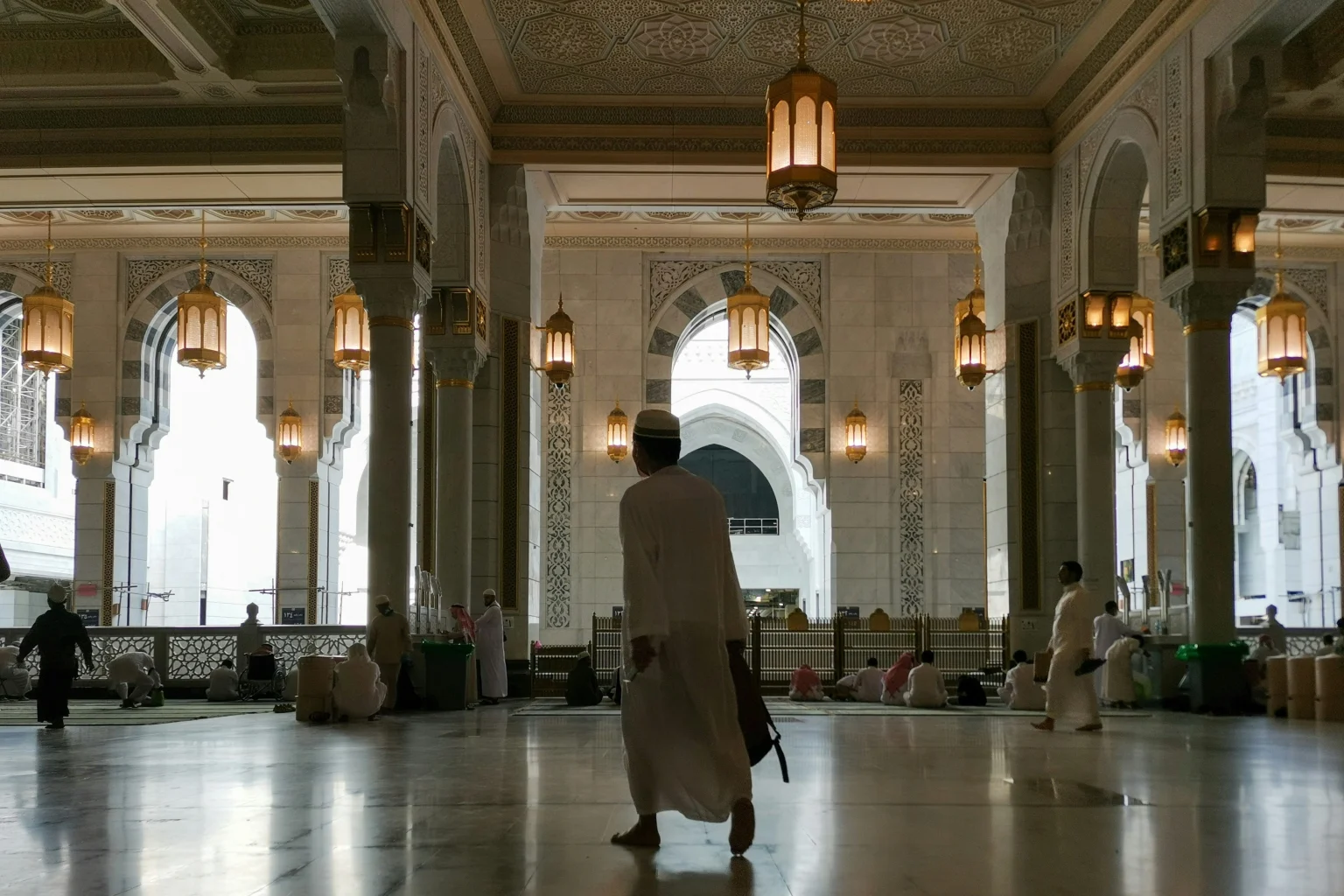
Step-by-Step Rituals of Hajj
The rituals of Hajj take place over five to six days from the 8th to the 13th of Dhul-Hijjah, the last month of the Islamic calendar.
-
Entering Ihram — 8th Dhul-Hijjah
Pilgrims enter the sacred state of Ihram, wearing simple white garments and reciting the Talbiyah.
Labbayk Allahumma labbayk, labbayka la shareeka laka labbayk, innal-hamda wan-ni‘mata laka wal-mulk, la shareeka lak. Here I am, O Allah, here I am. Here I am, You have no partner, here I am. Verily all praise, grace, and sovereignty belong to You. You have no partner. -
Mina — Day of Tarwiyah
Pilgrims travel to Mina, a tent city, where they spend the night in prayer and remembrance.
-
Arafat — Day of Arafah
Pilgrims gather at Mount Arafat and stand in prayer, asking Allah for forgiveness. Missing Arafah invalidates Hajj.
-
Muzdalifah
After sunset, pilgrims travel to Muzdalifah, where they pray, rest under the open sky and collect pebbles for the stoning ritual.
-
Stoning at Jamarat
Pilgrims throw seven pebbles at the largest pillar, symbolizing Ibrahim’s rejection of Satan’s whispers.
-
Qurbani
Pilgrims perform animal sacrifice, commemorating Ibrahim’s devotion. The meat is distributed to the poor.
-
Shaving or Trimming the Hair
Men shave or shorten their hair, while women cut a small portion. This marks a partial exit from Ihram.
-
Tawaf al-Ifadah
Pilgrims return to the Kaaba to perform seven rounds of Tawaf and Sa’i between Safa and Marwah.
-
Mina — Days of Tashreeq
From the 11th to the 13th of Dhul-Hijjah, pilgrims continue stoning all three pillars each day.
-
Tawaf al-Wada
Before leaving Makkah, pilgrims perform a final Tawaf, bidding farewell to the Kaaba.
Every stage of Hajj carries a lesson in humility, sacrifice, patience, remembrance and complete submission to Allah.
The Journey of a Lifetime
Hajj is not just an obligation; it is a transformative spiritual journey that renews a believer’s faith, purifies the soul, and strengthens the bond with Allah.
Every step—from entering Ihram to standing on Arafat, from stoning the pillars to performing the final Tawaf— is filled with symbolism, sacrifice, and devotion.
For those blessed with the opportunity, Hajj is truly the journey of a lifetime. It is a reminder of our mortality, equality, and ultimate return to Allah.
Perform Hajj with trusted guidance and thoughtful support.
Explore Shahidah Travel’s Hajj services or contact our team for personal assistance with your journey.