
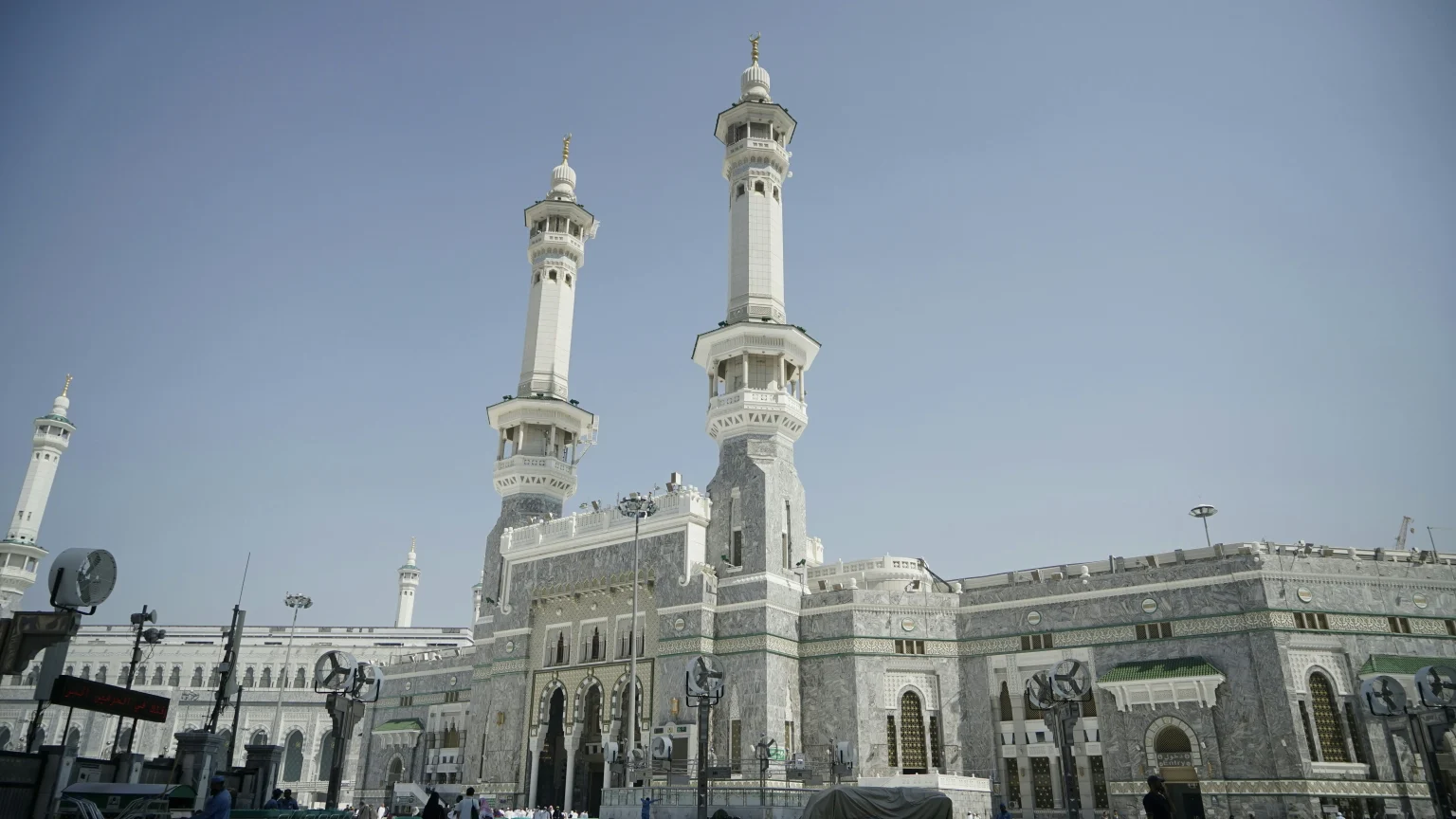
Umrah: A Journey of the Heart and Soul
A spiritual journey of surrender, renewal and love that draws the believer closer to Allah.
Every faith has moments that lift believers out of the ordinary and into the extraordinary. In Islam, few experiences embody this more than the pilgrimage of Umrah.
It is often described as the “lesser pilgrimage,” but for millions of Muslims who step into the holy city of Makkah, it feels like the greatest journey of their lives.
Umrah is not simply a series of rituals or a religious obligation to tick off a list. It is a journey that reshapes the inner self, reminding the believer of life’s true purpose and the closeness of Allah.
It is about surrender, renewal, and love — love for the Creator, for the Prophet ﷺ, and for the timeless legacy of faith that connects generations of Muslims across centuries.
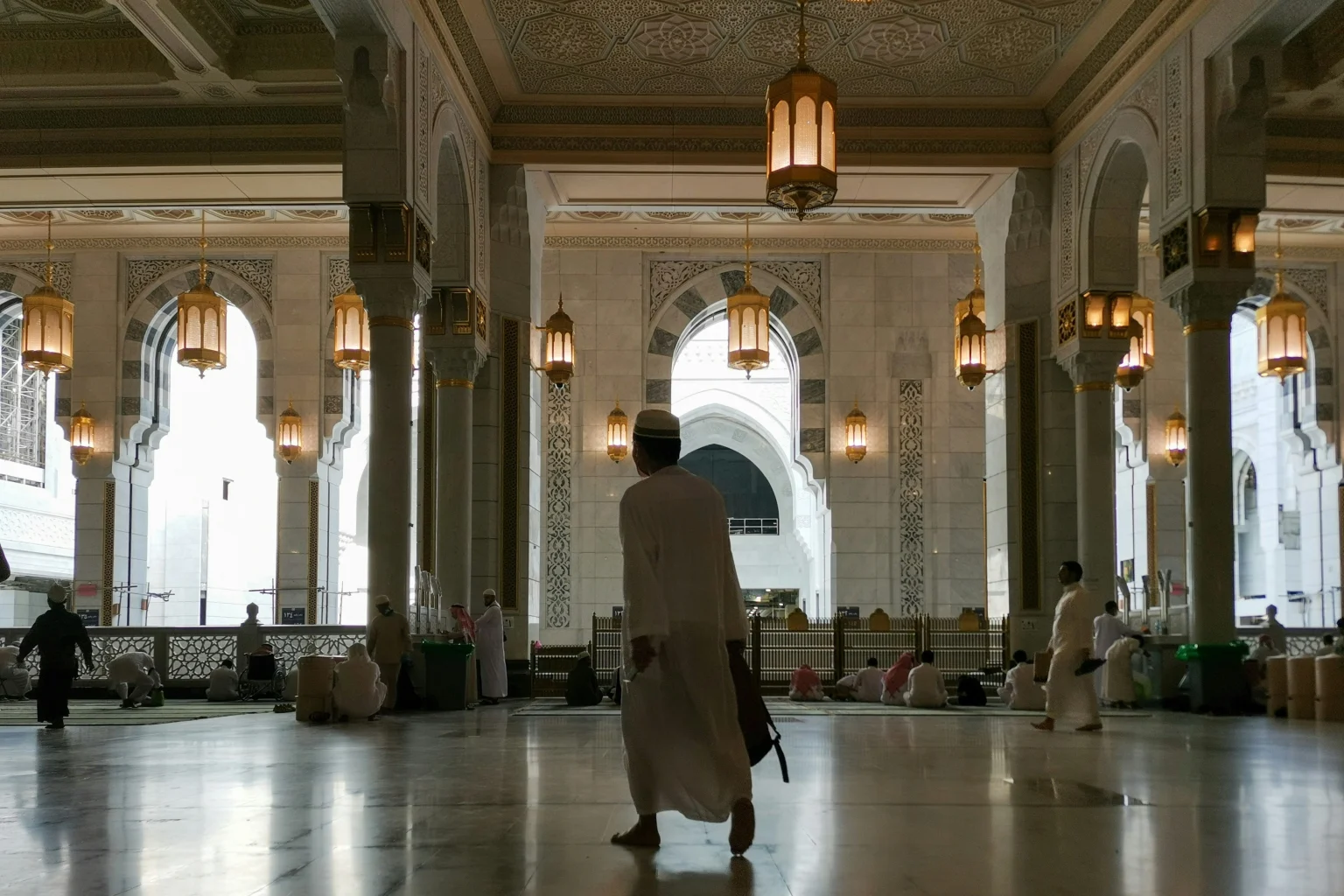
A Pilgrimage of Love and Longing
Unlike Hajj, which has specific dates, Umrah can be performed at any time. This flexibility means that for countless Muslims, it becomes an act of longing — a yearning to meet Allah in His sacred house, whenever the heart can no longer bear the distance.
The longing for Umrah begins long before the journey itself. It starts with whispers in the heart, prayers whispered after salah, and tears shed in the silence of the night: “Ya Allah, invite me to Your house.”
When the invitation finally arrives, it feels less like a choice and more like destiny.
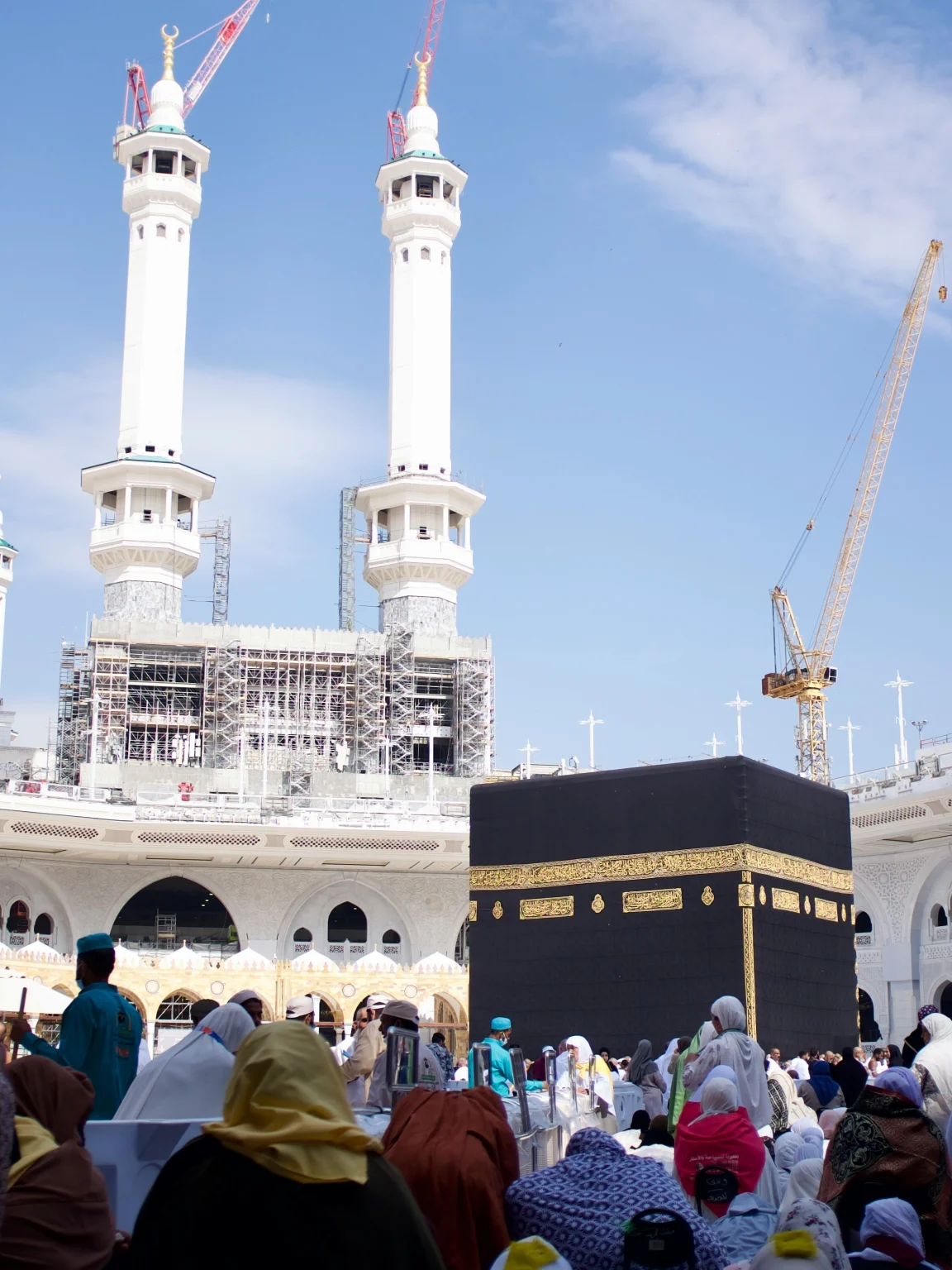
Ask any pilgrim about the moment they first set eyes on the Kaaba, and you will see their face soften, their eyes glisten. Words fail, because the heart experiences something deeper than language.
The Kaaba is not just a structure of stone; it is the symbol of unity, the direction of prayer for over a billion souls, and the center of spiritual gravity for the Muslim world.
To stand before it is to feel the pull of centuries of devotion, of prophets who walked these lands, of prayers that rose from this very earth to the heavens.
For some, the first glimpse brings uncontrollable tears. For others, it brings stillness, as if the heart has finally arrived home after a lifetime of wandering.
When the invitation finally arrives, it feels less like a choice and more like destiny.
Stripping Away the World
One of the most profound aspects of Umrah is Ihram. When pilgrims wear the simple white cloth for men or modest unadorned dress for women, the divisions of wealth, nationality, and status vanish.
A king and a laborer, a scholar and a farmer — all stand side by side, clothed in the same garments, equal before Allah.
It is a reminder of death, of the shroud in which every soul will one day return to its Creator. It is also a reminder of life — that true dignity is not found in possessions or titles, but in humility, submission, and sincerity.
Every act of Umrah carries within it echoes of history. The walk between Safa and Marwah is not just a physical exercise — it is a re-living of Hajar’s desperate search for water for her son Ismail.
Her running, her trust in Allah, and her perseverance were rewarded with the well of Zamzam, which still flows today.
When pilgrims perform Sa’i, they remember that faith is not passive. Faith requires effort, struggle, and trust. Hajar did not sit still and wait for a miracle; she ran, she searched, she struggled — and Allah responded with mercy.
In every hardship, trust Allah, but also strive. Relief may come from where you least expect it.
The Rhythm of Tawaf
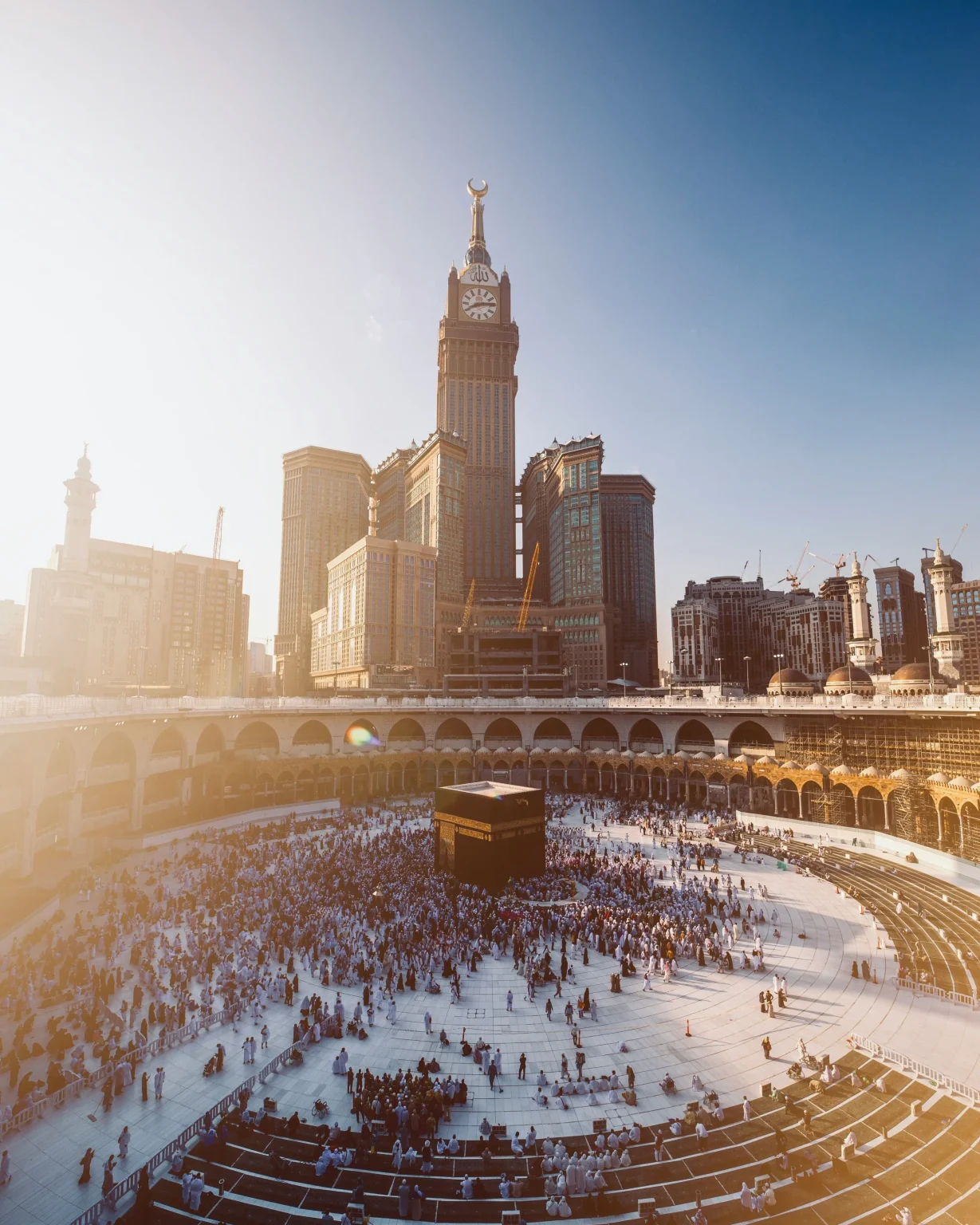
Circling the Kaaba in Tawaf is unlike any movement on earth. Pilgrims flow like waves, all moving in harmony, hearts beating with a single rhythm of remembrance.
The act reflects the cosmic order — just as planets orbit the sun, believers orbit the House of Allah.
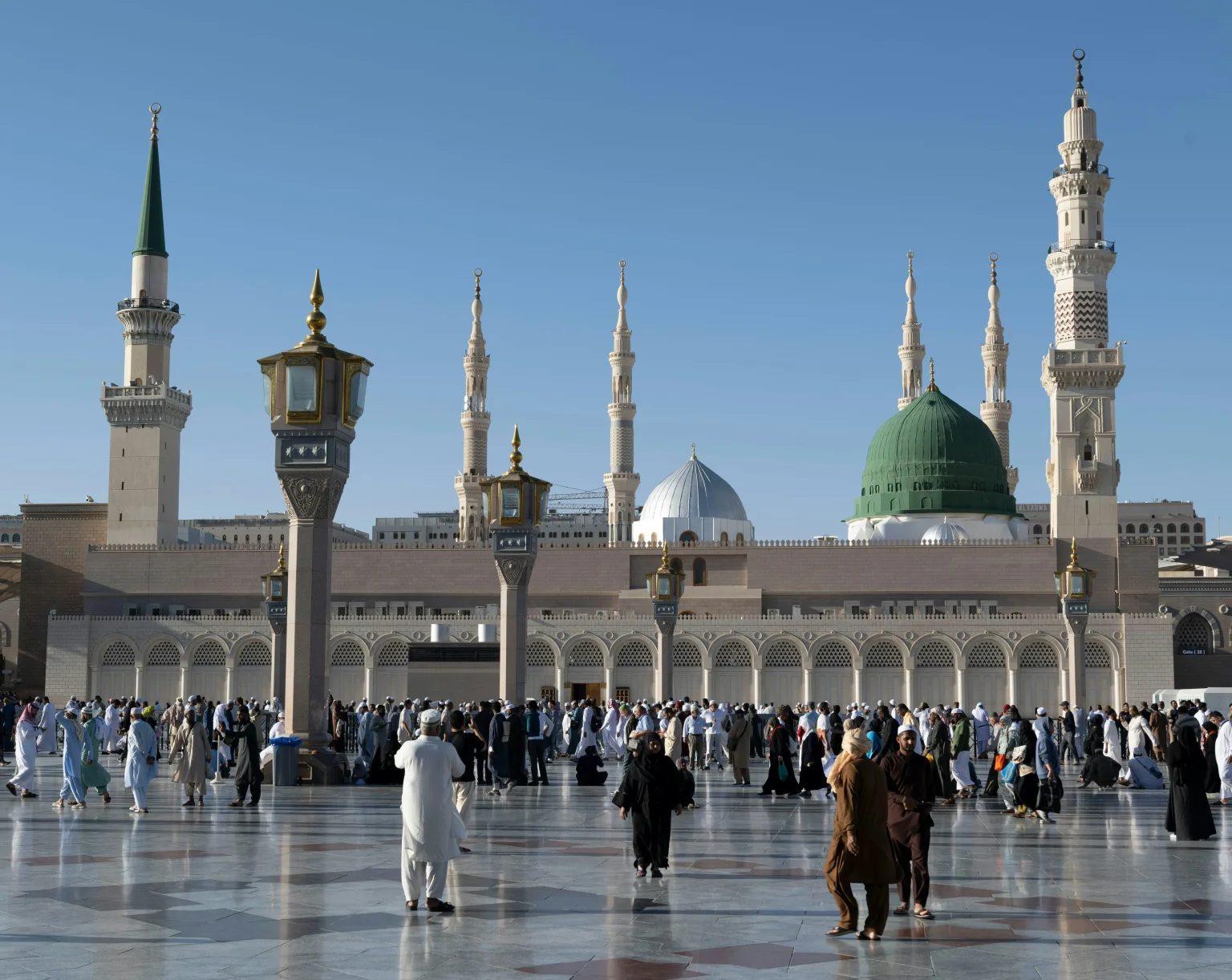
In Tawaf, the ego dissolves. The individual disappears into the collective, and yet, paradoxically, the soul feels more seen by Allah than ever before.
It is a moment when the heart whispers personal prayers, confesses hidden struggles, and seeks forgiveness for sins that only Allah knows.
Umrah is often described as a rebirth. The Prophet ﷺ promised that performing Umrah wipes away sins between one journey and the next, purifying the soul like a clean slate.
But the cleansing is not just in forgiveness — it is in perspective. After Umrah, the world looks different. The same problems may remain, but the heart is calmer, anchored in trust that Allah is greater than every trial.
The same ambitions may exist, but they feel lighter, no longer shackled to ego but redirected toward serving Allah.
A Journey of Equality
One of the miracles of Umrah is the equality it embodies. In the crowd, you cannot tell who is rich and who is poor, who is powerful and who is weak. All that matters is devotion.
It is said that Umrah teaches a person to see the essence of humanity. A stranger who offers you water becomes your brother. A woman who helps you in the crowd becomes your sister.
Nationalities blur, languages differ, but hearts recognize one another in remembrance of Allah.
Equality Before Allah
Wealth, nationality and social position lose their importance when pilgrims stand together in worship.
Renewal of Faith
Umrah re-centres life around the believer’s relationship with Allah.
Compassion and Unity
Strangers become brothers and sisters through shared devotion and service.
A Lasting Transformation
The lessons of Umrah continue to shape prayer, character and daily life after returning home.
Life often distracts. Work, studies, family responsibilities, and personal struggles can make faith feel distant. Umrah acts as a reset button. It re-centers life around what matters most: the eternal relationship with Allah.
Pilgrims often return home with renewed faith. Their salah becomes more consistent, their dhikr more heartfelt, their character softer and kinder.
It is as if Umrah plants a seed in the heart that continues to grow long after the journey ends.
A Journey Home to the Soul
At its heart, Umrah is more than a pilgrimage. It is a journey home — not to a physical house, but to the house of the soul. It is a reminder of where we came from and where we are going.
The white garments, the sacred rituals, the tears shed before the Kaaba — all of these are signs that the human heart is never satisfied by the world alone. It longs for something greater, something eternal.
Umrah fulfills that longing, even if only for a brief moment. It teaches that life’s greatest success is not measured in wealth or power, but in closeness to Allah.
For those who have performed Umrah, the memories linger like perfume on the soul. For those who have not yet gone, the longing continues like a prayer that refuses to fade.
And perhaps that is the true essence of Umrah: it is not just a journey of the body, but of the heart — a journey that begins with longing, blossoms in surrender, and ends with love.
Experience Umrah with trusted guidance and faith-conscious support.
Explore Shahidah Travel’s Umrah journeys or contact our team for personal assistance.